Paver Install in Southeast Houston
Standard concrete eventually cracks in the Houston heat. We build paver systems designed to move with the soil, drain with the rain, and look better every year.
Whether you’re upgrading your backyard or replacing an old concrete slab, we design and install paver systems that last in the Houston heat.
Serving League City, Clear Lake, Webster, Friendswood, and surrounding areas.
Call Josh now or request your free quote.
Professional Paver Installation Services
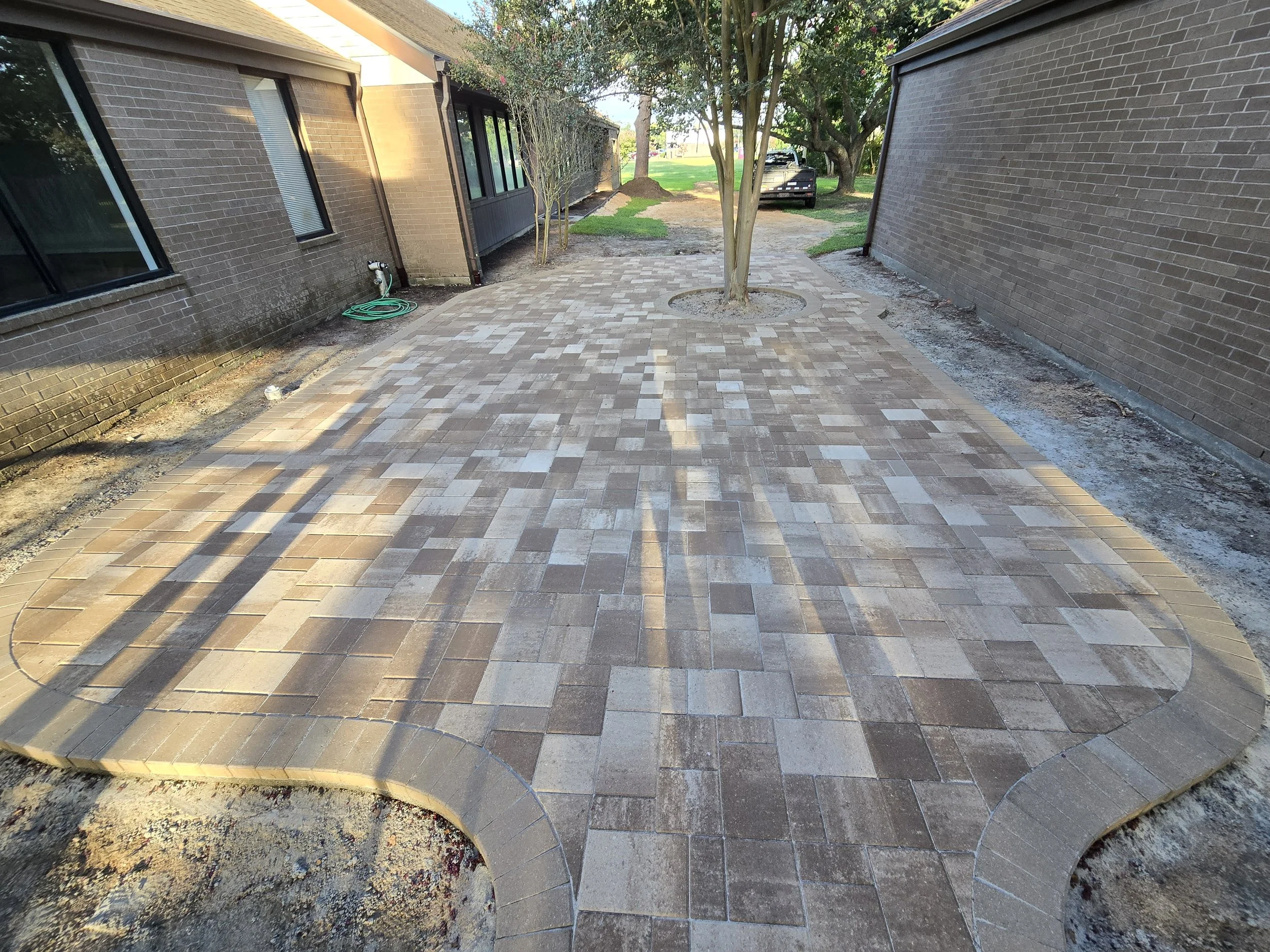
Paver Patio Installation
Patio paver installations built to transform outdoor space. In this example, we created a large, clean patio area with curved edges and a custom layout around the existing tree, giving the space a finished, durable surface that’s ready for everyday use.
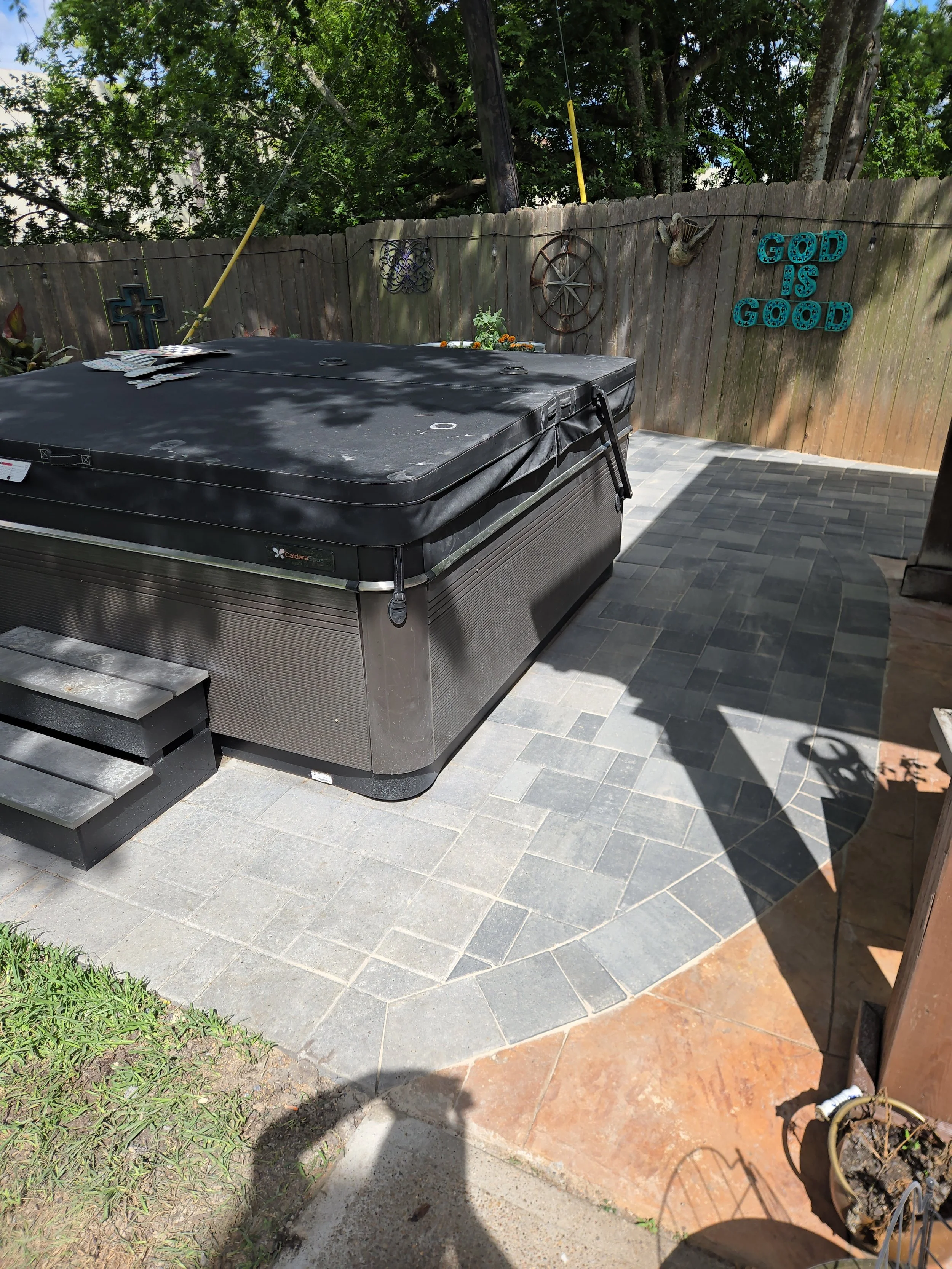
backyard pavers
Backyard patio paver installations built for functional outdoor living. In this example, we created a dedicated hot tub pad with a clean, level surface and a modern layout that holds up to water, heat, and daily use.
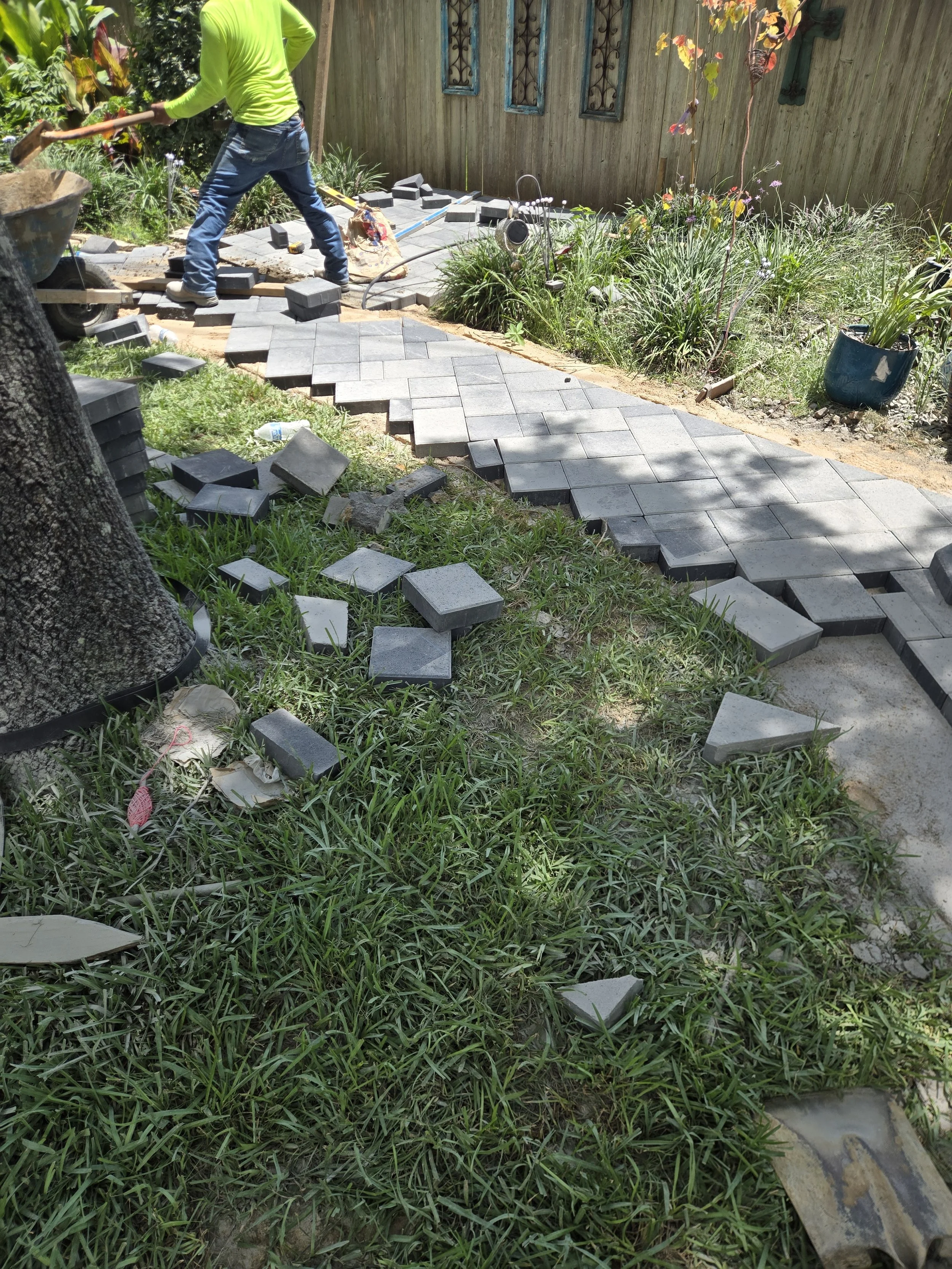
Paver Walkways
Paver walkway installation built to create a clear, durable path through your yard. In this example, we shaped the walkway to follow the space naturally, giving it a clean finish that stays level and handles foot traffic over time.
Why Pavers Work Better in Southeast Houston
| Paver Installation Type | Where It’s Used | Why It Works |
|---|---|---|
| Paver Patio Installation | Backyards and outdoor living areas | Durable surface that handles heat, rain, and daily use |
| Paver Walkway Installation | Side yards and garden paths | Stays level and reduces trip hazards over time |
| Paver Driveway Installation | Driveways and parking areas | Handles vehicle weight without cracking like concrete |
| Pool Deck Paver Installation | Around pools and water features | Slip resistant and cooler underfoot in Texas heat |
| Hot Tub Paver Pads | Spa and hot tub areas | Stable, level base that handles moisture and weight |
| Backyard Paver Installation | Full yard transformations | Turns uneven ground into usable outdoor space |
| Outdoor Kitchen Paver Bases | Grill and cooking areas | Strong foundation for heavy outdoor features |
| Paver Extensions & Additions | Expanding patios or driveways | Blends seamlessly with existing installations |
Our Paver Installation Process
A proper paver install starts from the ground up. Each step is built around creating a surface that stays level, drains correctly, and holds up over time in Southeast Houston conditions.
We assess the area, discuss layout ideas, and map out the shape, size, and flow of the paver installation.
The area is excavated to the correct depth, removing existing materials and preparing the ground for a stable foundation.
A compacted crushed stone base is installed in layers to create a strong, load bearing foundation for the pavers.
We set the correct slope so water flows away from the home and prevents pooling or long term settling issues.
A leveling layer is added before laying the pavers in the chosen pattern, ensuring clean lines and a consistent finish.
Edges are secured and joint sand is applied to lock everything in place and prevent shifting over time.
The surface is compacted, cleaned, and checked to make sure the finished paver installation is solid, level, and ready to use.
Built for Houston Conditions
Southeast Houston isn’t easy on outdoor surfaces. Between shifting soil, heavy rain, and extreme heat, poorly built installations don’t last.
- Heavy rainfall and drainage issues that can lead to pooling and erosion
- Expansive clay soil that shifts and causes cracking or movement
- High heat and UV exposure that breaks down weaker materials
- Flood prone areas near Clear Lake, Kemah, and surrounding zones
Every paver installation is backed by a 1 year craftsmanship warranty and built using proper base preparation, grading, and drainage from the start. We focus on doing the job right the first time, so your patio, walkway, or driveway stays level, drains correctly, and holds up over time in Houston conditions.
Paver Install Cost in Southeast Houston
No two paver installations are the same. The final cost depends on the layout, materials, and the amount of preparation needed to build it properly.
- Size of the area and overall project scope
- Type of pavers including style, size, and finish
- Site preparation such as excavation and base work
- Drainage and grading to ensure long term performance
Serving Southeast Houston and Surrounding Areas
We provide paver installation services across Southeast Houston, covering both coastal and inland communities where ground conditions and drainage matter most.
- League City
- Clear Lake
- Webster
- Friendswood
- Dickinson
- Nassau Bay
- Seabrook
- Kemah
Frequently Asked Questions About Paver Installation
How much should it cost to install pavers?
Most paver installation projects in Southeast Houston range between $12 and $25 per square foot depending on the type of pavers, site preparation, and drainage work required. Larger or more complex layouts can increase the overall cost, especially if excavation or grading is needed.
How much would a 20x20 paver patio cost?
A 20x20 paver patio is 400 square feet, and most projects fall between $5,000 and $10,000 in the Southeast Houston area. The final price depends on material choice, access to the site, and how much prep work is needed to build a proper base.
Do pavers get hot in the Texas heat?
Pavers do warm up in the sun, but they are often noticeably cooler than solid concrete, especially when using lighter colored materials. Because they are individual units with joints between them, they do not retain and radiate heat in the same way a large concrete slab does, making them more comfortable to walk on during hot Houston summers.
Can you lay pavers directly on dirt?
No. Laying pavers directly on dirt will lead to sinking, shifting, and uneven surfaces over time. A proper paver install requires excavation, a compacted base, and a bedding layer to keep everything stable and level.
What are you supposed to put under pavers?
A proper paver installation includes a compacted crushed stone base followed by a leveling layer of sand. This foundation supports the pavers, improves drainage, and prevents movement caused by Houston’s shifting soil conditions.
Is it cheaper to lay pavers or concrete?
Concrete is usually cheaper upfront, but pavers tend to last longer and are easier to repair. In Southeast Houston, where soil movement causes cracking, pavers are often more cost effective over time because you can fix sections instead of replacing the entire surface.
Get a Free Paver Patio Estimate in Southeast Houston
If your backyard feels unfinished, uneven, or difficult to use, a custom paver patio can completely change the space and give you a clean, durable area built for everyday outdoor living.
We work with homeowners across League City, Clear Lake, Webster, Friendswood, Seabrook, and Kemah to build paver patios that look sharp, drain properly, and hold up in Houston conditions.
Request a free estimate today and we can walk the site, discuss layout ideas, and plan the next steps for your paver patio installation.